Introduction
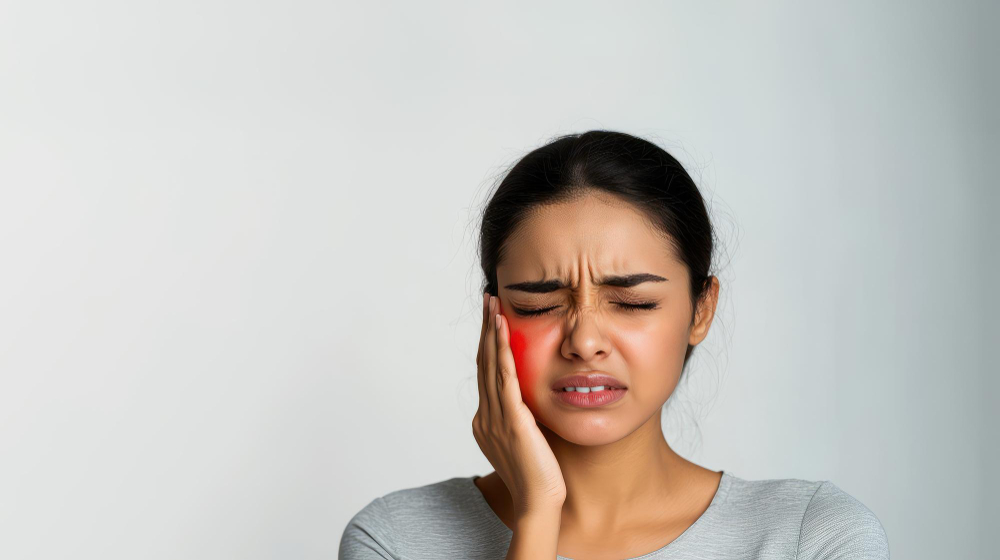
Many people experience jaw pain or notice they grind their teeth at night. TMJ Disorder & Bruxism: Causes and Treatment Options are important topics for anyone with these symptoms. TMJ disorder affects the jaw joint, while bruxism means teeth grinding or clenching. Both can cause discomfort and affect daily life. Understanding their causes and treatments can help you find relief and protect your smile.
What is TMJ Disorder?
TMJ stands for temporomandibular joint. This joint connects your jaw to your skull. TMJ disorder happens when this joint is not working right. As a result, you may feel pain, clicking, or trouble moving your jaw. Sometimes, the pain spreads to your face, neck, or ears. TMJ disorder can affect one or both sides of your jaw.
What is Bruxism?
Bruxism means you grind, gnash, or clench your teeth. This can happen during the day or while you sleep. Often, people do not know they have bruxism until someone tells them or they notice jaw pain. Over time, bruxism can wear down your teeth and cause other dental problems. It can also lead to TMJ disorder.
Common Causes of TMJ Disorder and Bruxism
There are many reasons why TMJ disorder and bruxism may develop. Some causes are easy to spot, while others are less clear. However, knowing the causes can help you prevent or manage these problems.
In addition, habits like chewing gum or biting your nails can make symptoms worse.
Symptoms to Watch For
Recognizing the signs of TMJ disorder and bruxism is important. Early treatment can prevent further damage. Look out for these symptoms:
If you notice these signs, it is wise to seek help from a dental specialist near you.
Diagnosis: How TMJ Disorder and Bruxism Are Identified
To diagnose TMJ disorder or bruxism, your dentist will ask about your symptoms and medical history. Next, they will examine your jaw, teeth, and bite. Sometimes, they may use X-rays or other scans to check your jaw joint. In some cases, your dentist may refer you to a TMJ specialist for further tests. Early diagnosis can help you find the right jaw pain treatment or teeth grinding solutions.
Treatment Options for TMJ Disorder and Bruxism
There are many ways to treat TMJ disorder and bruxism. Your dentist will suggest the best option based on your needs. Some common treatments include:
For many people, simple changes and regular care can bring TMJ pain relief and stop teeth grinding.
Lifestyle Tips and Prevention
Making small changes can help prevent TMJ disorder and bruxism or keep symptoms from getting worse. Here are some helpful tips:
By following these steps, you can protect your jaw and teeth.
Conclusion
TMJ disorder and bruxism can cause pain and affect your daily life. However, with the right care, you can find relief and protect your smile. Consult a dental specialist Dr.Supraja for personalized advice on TMJ disorder and bruxism. Early help can make a big difference.