
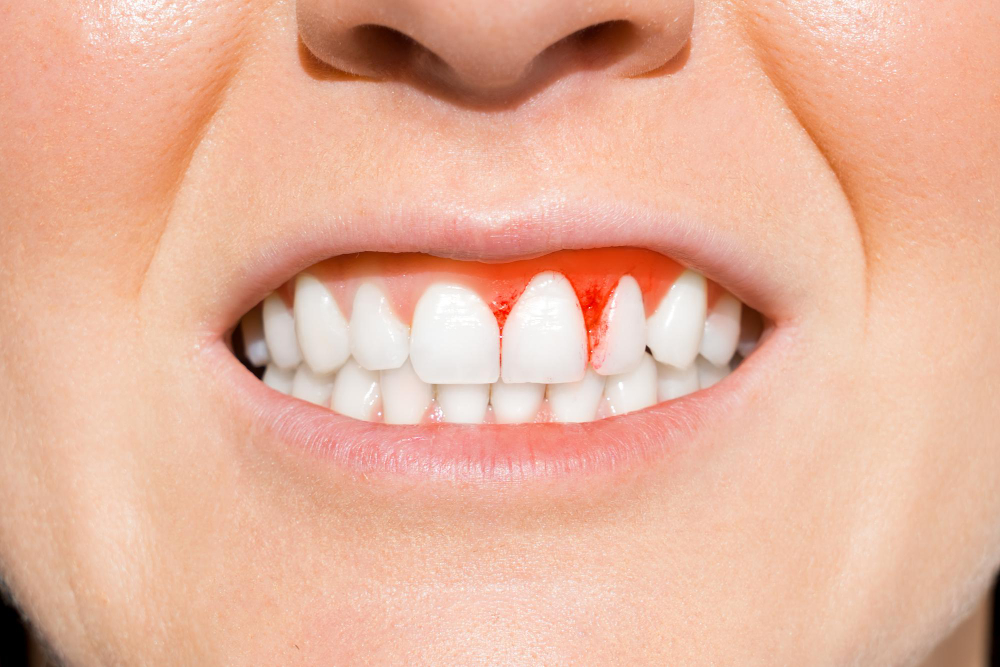
What Are Bleeding Gums?
Many people notice bleeding gums when brushing or flossing. Bleeding gums mean your gums let out small amounts of blood. Sometimes, this happens only once. Other times, it keeps coming back. While it may seem harmless, bleeding gums can point to gum health problems. According to the CDC, nearly half of adults over 30 show signs of gum disease. Because of this, it is important to know what bleeding gums mean for your oral health.
Common Causes of Bleeding Gums
Often, bleeding gums happen for simple reasons. However, they can also signal bigger issues. Here are some common causes:
Because many causes are linked to daily habits, simple changes can help. Yet, some causes need a dentist’s care.
When Are Bleeding Gums Normal?
Sometimes, bleeding gums are not a sign of disease. For example, if you just started flossing, your gums may bleed for a few days. In this case, the bleeding should stop as your gums get used to flossing. Also, brushing too hard can cause short-term bleeding. If you switch to a soft-bristled brush and gentle strokes, the bleeding may go away. Still, if bleeding continues, it is wise to check with a dentist near you.
Warning Signs: When to Be Concerned
Even though mild bleeding can be normal, some signs mean you should see a dental care provider. Watch for these warning signs:
If you notice these symptoms, it could mean gum disease or another health problem. Early care can help prevent tooth loss and other issues.
How Dentists Diagnose Bleeding Gums
First, dentists will ask about your oral hygiene habits. Next, they will look at your gums and teeth. They may use a small tool to check for pockets between your teeth and gums. Sometimes, X-rays help spot bone loss or deeper problems. Because some health conditions can cause bleeding gums, your dentist may ask about your medical history. With this information, they can find the cause and suggest the best treatment.
Treatment Options for Bleeding Gums
Once your dentist finds the cause, they will recommend a treatment plan. Common options include:
Because each case is different, your dentist will choose the best care for you. Regular dental checkups help catch problems early.
Tips for Preventing Bleeding Gums
Good oral hygiene can prevent most cases of bleeding gums. Try these tips:
With these steps, you can keep your gums healthy and lower your risk of gum disease.
Lifestyle and Oral Hygiene Guidance
Healthy gums depend on daily habits. For example, eating fresh fruits and vegetables supports gum health. Drinking water after meals helps wash away food particles. If you have dry mouth, ask your dentist about ways to keep your mouth moist. Moreover, stress can affect your immune system and gum health. Try to manage stress with exercise, sleep, and relaxation. If you need help, look for dental care in your area. Many dentists offer advice on gum health and oral hygiene. By making small changes, you can protect your smile for years to come.For advanced care and professional guidance, Consult Dr.Supraja