Introduction
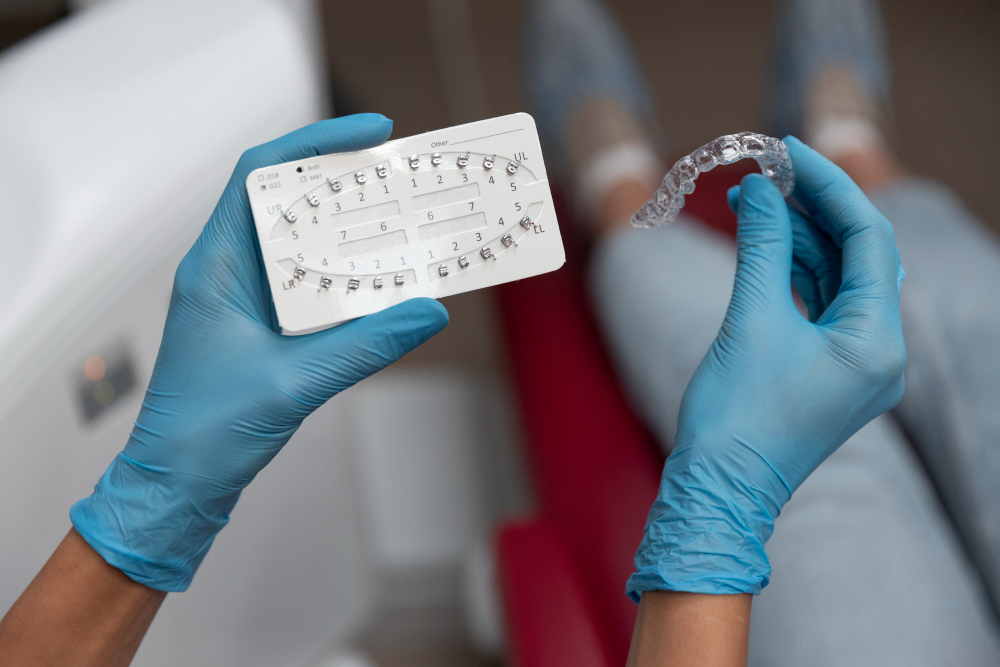
Choosing between braces vs clear aligners can feel confusing. Both options straighten teeth and improve your smile. However, each method has unique features. In this guide, you will learn about traditional braces, clear aligners, and how they compare. This way, you can make the best choice for your dental health.
What Are Braces?
Braces are devices that help move teeth into better positions. Usually, they use metal brackets and wires. Sometimes, they use ceramic or clear materials for a less noticeable look. Braces work by applying gentle, steady pressure to teeth. Over time, this pressure shifts teeth into place. Orthodontists adjust braces every few weeks to guide the movement.
According to the American Dental Association, braces are safe and effective for many dental issues.
What Are Clear Aligners?
Clear aligners are plastic trays that fit over your teeth. They are almost invisible and easy to remove. Brands like Invisalign, ClearCorrect, and SmileDirectClub offer these aligners. Each set of trays gently moves teeth a little at a time. You switch to a new set every one to two weeks. For best results, you should wear them for 20 to 22 hours each day.
Clear aligners are popular for adults and teens who want a discreet option. The CDC and dental journals note that clear aligners can treat mild to moderate alignment problems.
Key Differences
When comparing traditional braces vs clear aligners, several factors stand out. Let’s look at the main differences:
Pros and Cons of Braces
Braces have been used for decades. They are reliable, but they have some drawbacks. Here are the main pros and cons:
Pros and Cons of Clear Aligners
Clear aligners are a newer option. Many people like their look and feel. Still, they are not perfect for everyone. Consider these pros and cons:
Cost Comparison
Cost is a big factor in choosing the best orthodontic treatment. Braces usually cost between $3,000 and $7,000 in the United States. Clear aligners cost about $3,000 to $8,000, depending on the brand and case complexity. Sometimes, dental insurance covers part of the cost. However, not all plans include clear aligners. Always check with your provider before starting treatment.
Maintenance and Oral Hygiene
Good oral hygiene is important during orthodontic treatment. With braces, brushing and flossing can be harder. Food can get stuck around brackets and wires. You may need special brushes or floss threaders. On the other hand, clear aligners are removable. This makes brushing and flossing easier. However, you must clean the trays daily to prevent bacteria buildup. Either way, regular dental checkups are key.
Who Is a Good Candidate?
Not everyone is a good fit for every treatment. Braces for adults and children work well for most dental problems. They are best for complex cases, such as severe crowding or bite issues. Clear aligners are best for mild to moderate alignment problems. They are popular with adults who want a discreet look. Teens can use them too, but only if they can wear them as directed. Your orthodontist will help you decide which option suits your needs.
Lifestyle Considerations
Your daily habits can affect your choice. Braces stay on your teeth, so you do not have to remember to wear them. However, you must avoid sticky or hard foods. Clear aligners let you eat what you like, but you must remove them before meals. You also need to brush your teeth before putting them back in. If you play sports, clear aligners may be safer. But, braces can be protected with a mouthguard.
Frequently Asked Questions
Conclusion
Both braces and clear aligners can give you a healthy, straight smile. Each has unique benefits and drawbacks. Therefore, it is important to weigh your options carefully. Consult Dr. Supraja to find the best treatment for your smile.