Introduction
Dental fillings play a key role in restoring tooth health. When a tooth gets damaged by decay or injury, a filling helps fix it. In fact, dental fillings stop cavities from getting worse. They also help you chew and smile with confidence. Because of this, many people turn to dental fillings for tooth restoration and cavity treatment. Let’s explore how dental fillings work and why they matter for your oral health.
What Are Dental Fillings?
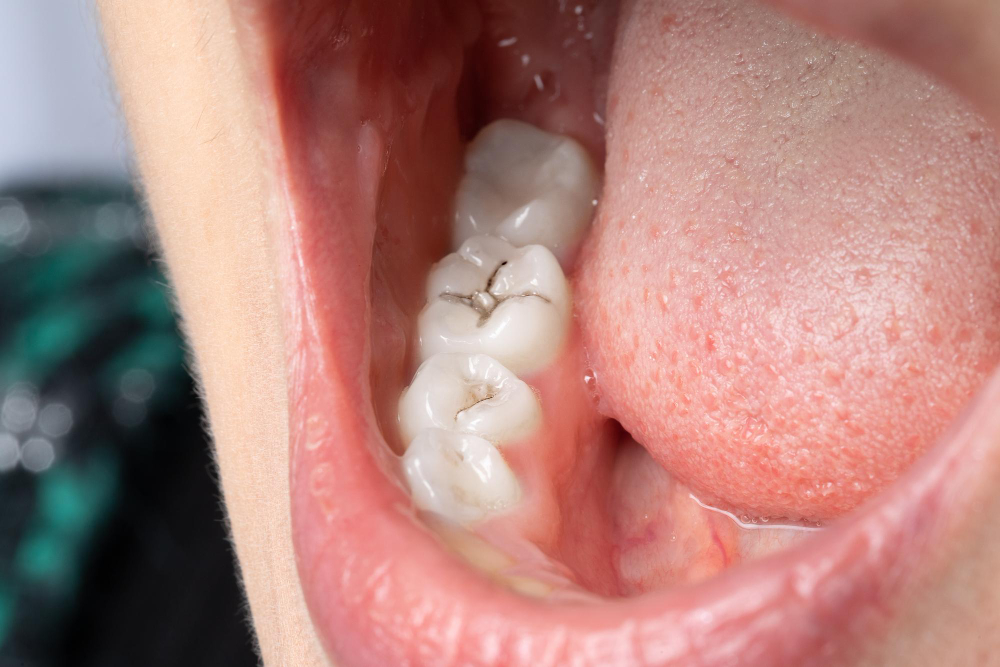
Dental fillings are special materials that dentists use to repair teeth. When a tooth has a cavity or small crack, a filling covers the damaged area. This stops bacteria from entering and causing more harm. As a result, your tooth stays strong and healthy. Fillings can be made from different materials, such as metal, resin, or porcelain. Each type has its own benefits. Overall, dental fillings are a common way to restore teeth and prevent further decay.
Common Symptoms Indicating the Need for Fillings
Sometimes, it’s hard to know if you need a dental filling. However, certain signs can help you decide when to visit your dentist. Watch for these symptoms:
If you notice any of these signs, it’s wise to see your dentist soon. Early treatment can save your tooth and prevent bigger problems.
Causes of Tooth Damage Requiring Fillings
Many things can damage your teeth and lead to the need for fillings. For example, eating sugary foods often can cause cavities. Poor brushing and flossing also let plaque build up. Over time, this weakens your teeth. Sometimes, injuries or grinding your teeth can cause cracks or chips. In addition, old fillings may wear out and need to be replaced. Because of these reasons, regular dental checkups are important for catching problems early.
How Dentists Diagnose the Need for a Filling
Dentists use several methods to check if you need a filling. First, they will ask about your symptoms. Next, they will examine your teeth for signs of decay or damage. Often, dentists use X-rays to see hidden cavities or cracks. If they find a problem, they will explain your options. This way, you can make the best choice for your oral health. Early diagnosis helps prevent more serious dental issues.
Types of Dental Fillings
There are several types of dental fillings. Each has its own pros and cons. Your dentist will help you choose the best one for your needs.
Because each type has unique features, your dentist will suggest what suits your tooth best.
The Dental Filling Procedure: Step-by-Step
Getting a dental filling is a simple process. Here’s what you can expect:
Most people feel little to no pain during the procedure. You can usually return to normal activities right after your visit.
Aftercare and Recovery Tips
Proper care after a filling helps your tooth heal well. Here are some helpful tips:
With good care, your dental filling can last for many years.
Preventing Tooth Decay and the Need for Fillings
Preventing cavities is the best way to avoid dental fillings. Here are some easy steps:
By following these habits, you can protect your teeth and reduce the need for fillings.
Conclusion
Dental fillings are a safe and effective way to restore tooth health. They help treat cavities, repair damage, and prevent further problems. If you notice signs of tooth decay or damage, don’t wait. Consult your dentist, Dr Supraja, for personalized advice on dental fillings and tooth health.